When Hunger and Learning Collide: A Thanksgiving Call to Action
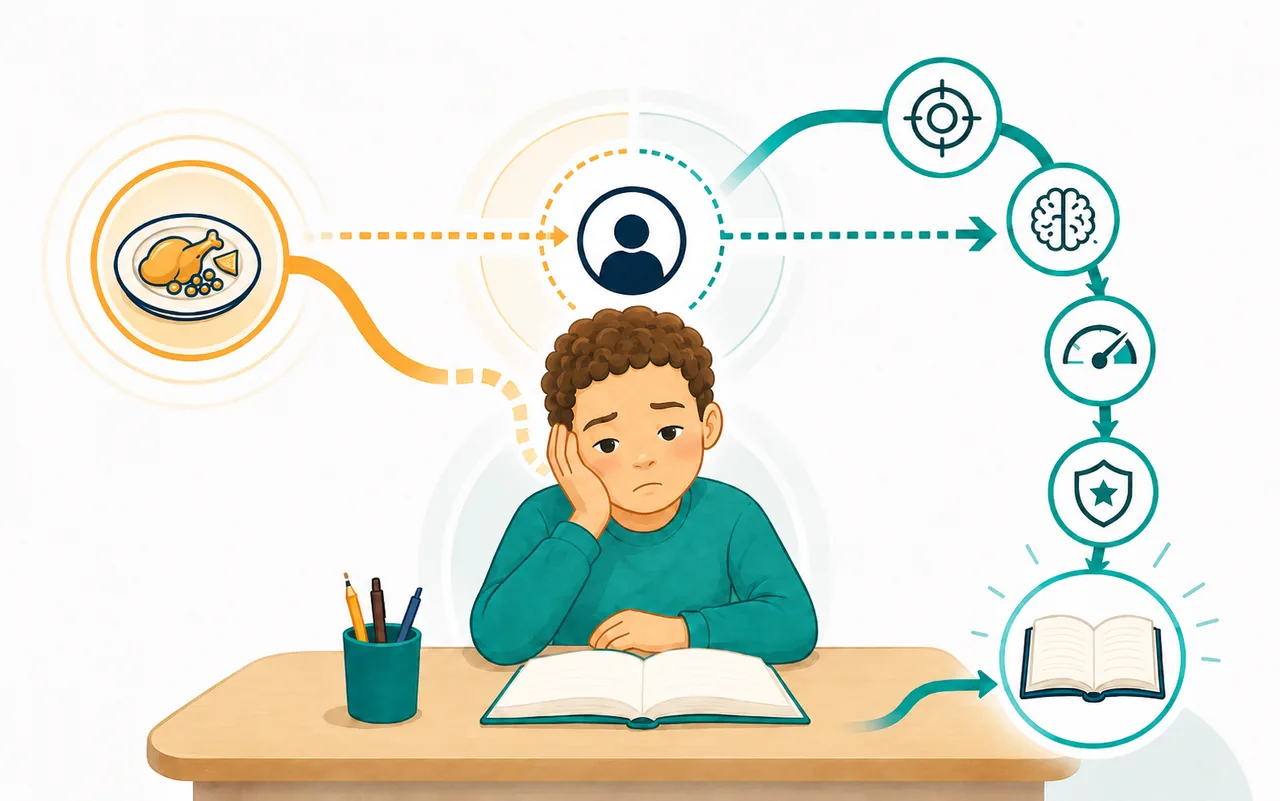
Hunger is not separate from learning. When children do not have reliable access to food, reading, focus, confidence, and academic growth all become harder.
Thanksgiving is meant for full tables, shared stories, and a quiet recognition of what matters most. Yet many children in the United States face the reality of not knowing where their next meal will come from.
In 2023, about 47.4 million people lived in food-insecure households. Nearly 14 million of them were children. This is not a distant problem. It affects a child's ability to learn, read, and grow.
The Invisible Barrier to Learning
Imagine a child arriving at school and sitting among classmates while fighting the discomfort and distraction of hunger. Hunger is not just uncomfortable. It blocks concentration, comprehension, and confidence.
Teachers see the effects every day. Many report that hunger reduces students' ability to focus and hurts academic performance. When a child is worried about food, learning becomes secondary. The mind falls behind because the body is in survival mode.
When Food Insecurity Rises, Learning Loss Deepens
Food insecurity is rising at a troubling pace. In 2023, 17.9 percent of households with children experienced food insecurity, representing around 6.5 million families.
The most severe cases are even more alarming. Roughly 374,000 households experienced reduced food intake or disrupted eating patterns for the children themselves.
When nutrition falters, the effect does not stay in the kitchen. It shows up in slower reading development, reduced comprehension, and more frequent struggles with schoolwork. What begins as an empty stomach can become a long-term academic setback.
Holiday Breaks Put Children at Risk
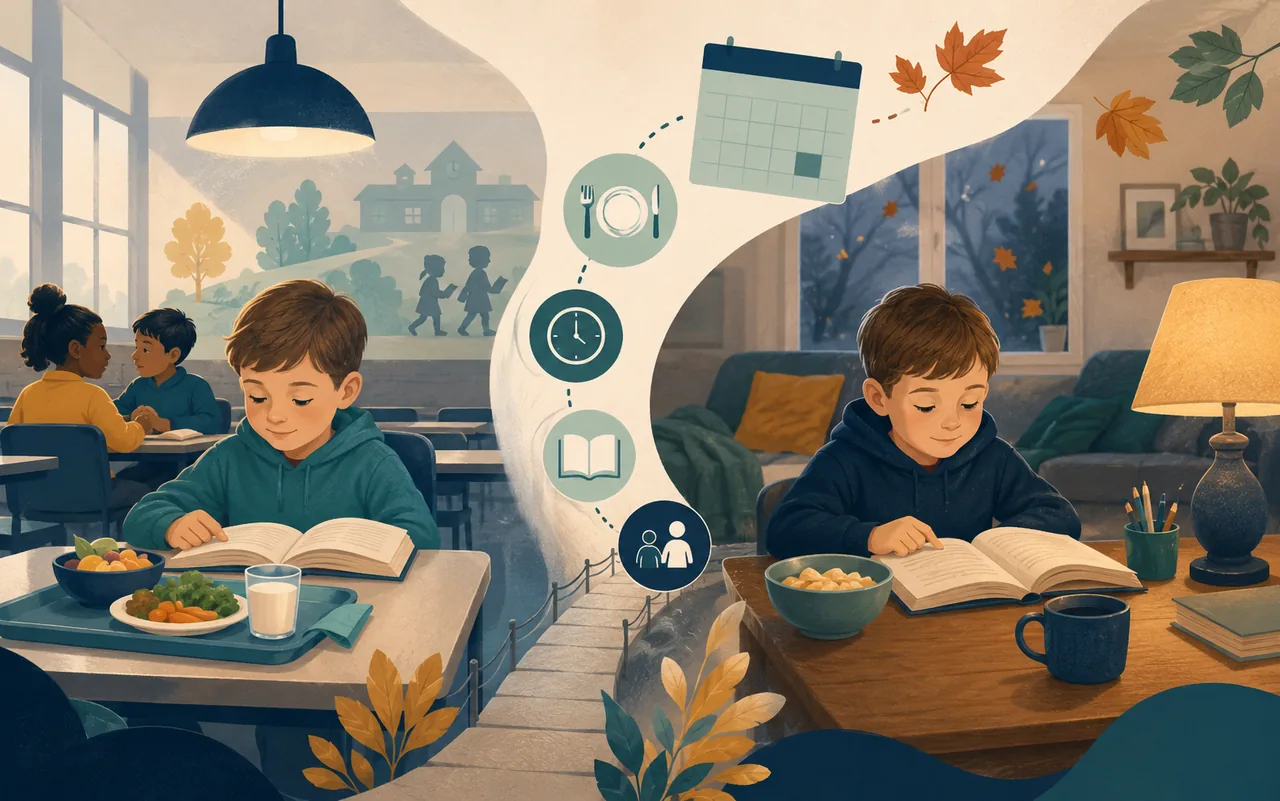
Schools provide more than teaching. For millions of children, schools also provide breakfast, lunch, structure, and emotional support. When holiday breaks arrive, those supports disappear for days or weeks.
Thanksgiving often highlights the contrast. One family sets a full table and begins a warm celebration. Another begins a stretch of days with no reliable access to meals.
Children in the second situation often fall behind during breaks. They lose routine, nourishment, and the basic energy needed to stay engaged with reading and learning.
This Thanksgiving, We Choose Support
At ReadCheck and Dr. Read, we believe reading confidence should never depend on whether a child has enough food. During Thanksgiving 2025, we partnered with Feeding America to help provide meals to families who needed support.
This was about recognizing that children deserve stability. They deserve access to food, reading tools, and the feeling that they are not alone. A child who is hungry struggles to focus. Letters blur. Books become barriers.
The goal is to remove the obstacle that stands between a child and the desire to learn.
A Thank You to Our Community
To everyone who has joined ReadCheck and to those who have supported us from the beginning, thank you. Your presence matters. Every time you choose to use our product, you help us move closer to our mission of making reading more joyful and more accessible for every child.
By being part of this community, you also helped us support Feeding America during a season when many children lost access to school meals and many families faced added pressure.
Our commitment
For that Thanksgiving campaign, ReadCheck committed ten percent of proceeds through December 1, 2025 to Feeding America. It was one way to join the effort to reduce hunger during a time when schools were closed and family pressure was high.
"Addressing food insecurity is not charity. It is essential for educational equity."
Thore Weber, Co-Founder & CEO
A Simple Act Creates Space to Learn
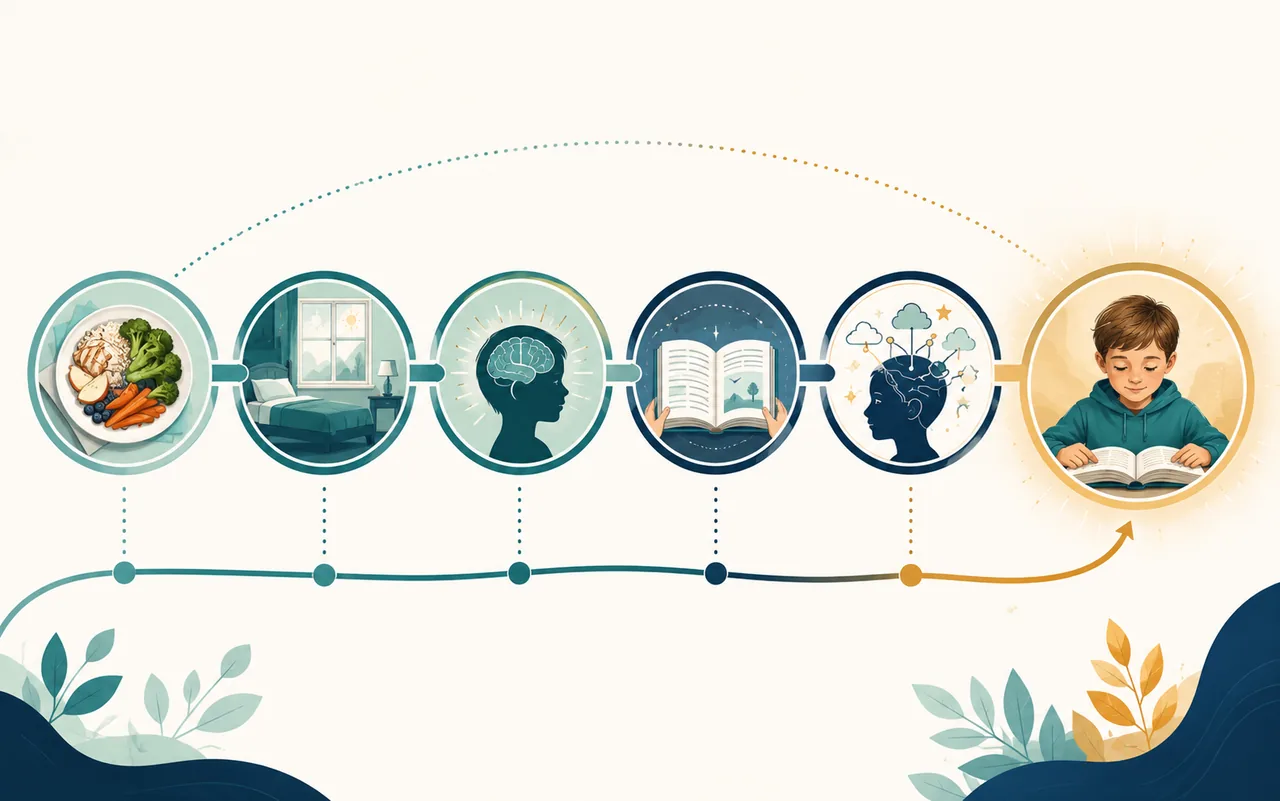
When children receive proper meals, they show up to class with the energy to focus. They participate. They remember. They try.
The effect of good nutrition on learning is measurable and significant. Addressing hunger creates the basic conditions that allow reading, comprehension, and academic growth to happen.
This Thanksgiving, Let's Act
Schools and communities cannot solve hunger alone. Nonprofits like Feeding America rely on sustained support from individuals, businesses, and organizations willing to take action.
Thanksgiving reminds us to reflect on what we have. It also invites us to extend support to those who lack what many of us take for granted.
Hunger is not just discomfort. It is an active barrier to learning, growth, and a child's future.
ReadCheck and Dr. Read are grateful for the support of this community. Together, we can help more children find the nourishment, stability, and confidence they need to succeed.
Learn more and donate
Visit Feeding America to learn more about their mission and make a donation to support families facing hunger.
Written by
Founder perspective
Co-Founder & CEO
Thore Weber
Thore is building Dr. Read to make the kind of patient, one-on-one reading support that helped him become a confident reader available to every reader and family who needs it.